

Summary: This article is about which tape actually works in a black box theatre, where every reflection, spike mark, and adhesive residue is visible in a way that is unacceptable in a regular venue. It is written for production managers and technicians working in smaller performance spaces, often in rented venues where the floor must be left as it was found. Readers will find concrete tape choices for spike marks, blackout conditions, and temporary installations, as well as how to avoid adhesive residue that can otherwise lead to disputes upon checkout.
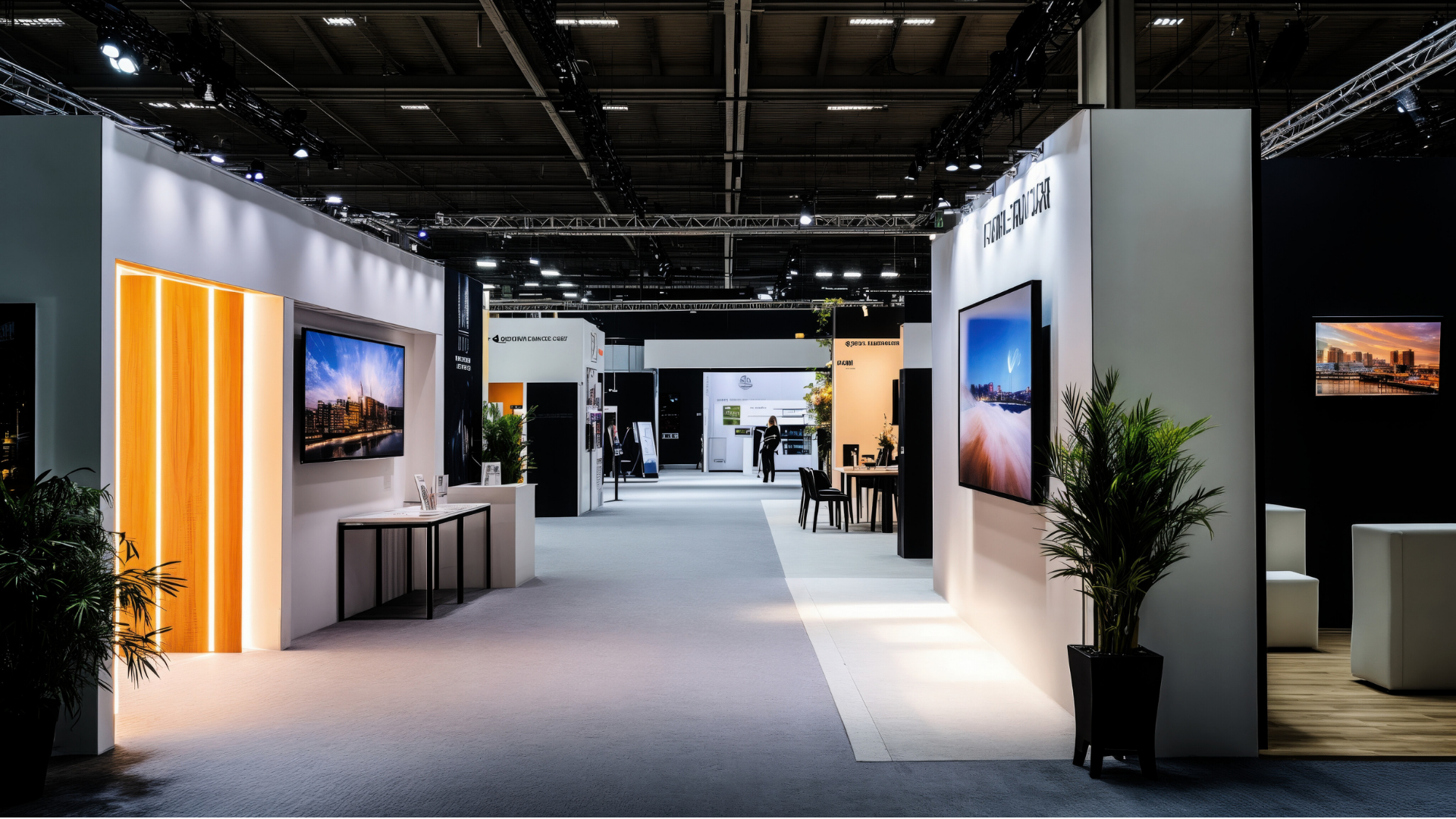
It's a familiar situation for anyone who has worked in a black box: the lights are out, the actor needs to find their exact position on stage, and the only clue is a piece of tape on the floor. In a room without scenery, without depth, and without much else to hide behind, every detail of the taping is visible – a reflective surface, a crooked line, or adhesive residue from the previous production stands out immediately. Tape for black box theatres differs from regular stage tape precisely because the margins are so much smaller. We often see guest productions in rented black box venues use the same tape they typically use in their regular theatre, without considering that it reflects in the more intimate lighting or leaves marks that the venue does not permit. This is a detail that can cost both the deposit and the trust of the venue owner. In this article, we will go through four situations specific to black boxes and smaller stages – reflection, spike marks, blackout conditions, and temporary installations – and which tape actually solves each issue without compromising either expression or floor surface.
Reflection-free tape – why matte black is standard in black box theatres
In a black box, the audience is often only a meter from the stage, and the lighting is significantly more concentrated than in a traditional theatre hall. Regular glossy gaffer tape directly reflects light and becomes a visible distraction instead of blending into the floor. Use tesa 53949 for all floor attachments on stage, as it has a completely reflection-free, light-absorbing surface specifically developed for stage and event environments where reflections are unacceptable. We often see technicians discover the reflection problem only during a full light rehearsal, when it's already too late to change tape without disrupting the rehearsal. In practice: apply tesa 53949 during the first rigging session, before the lighting designer sets their cues, to avoid discovering reflections in the middle of a lighting setup. The matte surface also ensures that the tape does not accidentally draw the audience's attention, which is crucial in a room where every visual element is consciously chosen.
Spike marks – precision taping for actor positions
Spike marks, i.e., the exact positions an actor needs to find in darkness or during a quick scene change, require tape that adheres straight, is clearly visible to technicians, but does not damage the floor when removed. This arises in almost every production with multiple scene changes – the actor must hit their mark with millimetre precision, while the floor often belongs to a rented venue that must be left untouched. Use tesa Washi 4342 to set precise spike marks, as the washi material tears straight, stays firmly in place throughout the production period, but can be removed without damaging the floor surface or leaving adhesive residue afterwards. You can solve this with tesa Washi 4342 even with frequent scene changes, where several marks are close to each other and need to be clearly distinguishable without getting mixed up. In practice: set the spike marks using the same colour system as the rest of the production's markings, and document the positions with photos before the set is dismantled, so that the next run can be set up faster.
Markings visible in the dark – fluorescent tape for blackout scenes
A blackout scene where the actor needs to find a position, a prop, or an exit without any visible light source is one of the most risky moments in a production – both for safety and because missing a position can ruin an entire scene. Regular tape, even in bright colours, is essentially invisible in total darkness. Use tesa 4671 Fluorescent for markings that actors and technicians need to see even in blackout, as its fluorescent surface captures and retains even faint UV or residual light in a way that regular tape does not. We often see productions solve this with flashlights and improvised solutions instead of simply applying the correct tape from the start, which creates unnecessary stress during technical rehearsals. In practice: apply tesa 4671 Fluorescent at wing edges, stair treads, and critical exits where a misstep would be dangerous, not just at the actor's exact position. Always test the markings under actual blackout conditions during a technical rehearsal, as how visible the tape is can vary depending on how much residual light is present in that particular venue.
Temporary installations and rented venues – tape without adhesive residue
Many black box productions play in venues rented for a limited period, often with clear requirements that the floor must be returned in the same condition as it was received. Adhesive residue from the wrong tape can mean anything from a note to an actual cost deducted from the deposit. Use Orafol 1450 double-sided carpet tape for temporary fixing of carpets, cables, and smaller stage elements, as it can be removed completely without leaving residue on the floor surface after the production period. You can solve this with Orafol 1450 double-sided carpet tape especially in venues where you are unfamiliar with the floor material, as the risk of damage to an unknown surface is harder to assess in advance. We often see production managers underestimate how much time is spent on cleanup after a run if the wrong tape has been used, time that could otherwise have been spent on the next production. In practice: supplement with Velcro – 20mm x 25m to attach lighter stage elements and props without needing to glue or screw into walls or frameworks belonging to the venue, which makes both setup and dismantling significantly faster.
Frequently Asked Questions
Which tape is best for avoiding reflections in a black box theatre?
Matte, reflection-free gaffer tape is the standard choice, as regular glossy tape reflects concentrated stage lighting and becomes a visible distraction in a small room. Use tesa 53949 for all visible attachments on the stage floor, as its surface is completely light-absorbing. Always test the tape under full lighting before opening night, not just in work light, as reflections can look different depending on the angle and intensity of the lighting.
How do I set spike marks that last an entire run without damaging the floor?
Use a washi-based precision tape rather than regular gaffer tape, as washi tears straight and can be removed without damaging the floor surface afterwards. Use tesa Washi 4342 and place the mark well in advance of the first run-through, so that actors have time to get used to exact positioning. Document each position with a photo immediately after setup, so you can quickly recreate the same marks if the tape needs to be replaced mid-production.
Is fluorescent tape really visible in total blackout?
Fluorescent tape captures and retains even very faint residual light better than regular coloured tape, making it significantly more visible in blackout conditions. Use tesa 4671 Fluorescent at critical positions like stair treads and wing edges, and always test under actual blackout conditions during a technical rehearsal as the effect varies between different venues. Adjust placement if anything isn't clearly visible enough before opening night, not after.
How do I avoid damaging the floor of a rented venue with the tape we use?
Always choose double-sided tape that is designed to be removed completely without adhesive residue, rather than regular gaffer tape which often leaves marks after prolonged use. Use Orafol 1450 double-sided carpet tape for fixing carpets and smaller elements, and feel free to test it on an inconspicuous part of the floor before taping the entire surface if you are unsure about the material. This saves both time and potential deposit upon checkout.
Can I use the same tape for spike marks as for general cable fixing on stage?
No, spike marks require precision and straight edges that regular gaffer tape doesn't provide in the same way as washi tape. Use tesa Washi 4342 specifically for spike marks and positioning, and save tesa 53949 for cable fixing and general attachment where reflection-free performance is the most important requirement. Mixing up the uses usually results in less precise spike marks than the production requires.
How do I mount lighter props without damaging the stage framework in a rented venue?
Velcro is often better than glue or screws for lighter elements, as it can be mounted and dismounted repeatedly without damaging the surface. Use Velcro – 20mm x 25m for props and smaller stage elements that need to be moved between performances. Attach one side permanently to the element and the other loosely to the stage framework, so you can quickly adjust positions between rehearsals without needing new attachment points every time.
What do I do if I discover adhesive residue from a previous production in the venue?
Document the damage with photos before you begin your own setup, so that the question of responsibility is clear to the venue owner from the start. Then use Orafol 1450 double-sided carpet tape for your own production so that you do not contribute further damage on top of what already exists. Bring up the finding with the venue owner immediately, rather than waiting until checkout, so you avoid being held responsible for damages that already existed before you moved in.
How do I plan tape usage for a production that will tour between several different black box venues?
Standardise which tape is used for each purpose – reflection-free attachment, spike marks, dark markings, and temporary fixing – so that the entire team knows exactly what needs to be packed for each new venue. Use tesa 53949, tesa Washi 4342 and tesa 4671 Fluorescent as a fixed set in the tour box. Always pack with a margin, as you rarely have time to shop locally between tour stops with tight touring schedules.
Share article:
Fire-rated tape – why it's important for events in 2026
Smart tape solutions for pop-up shops and roadshows 2026