

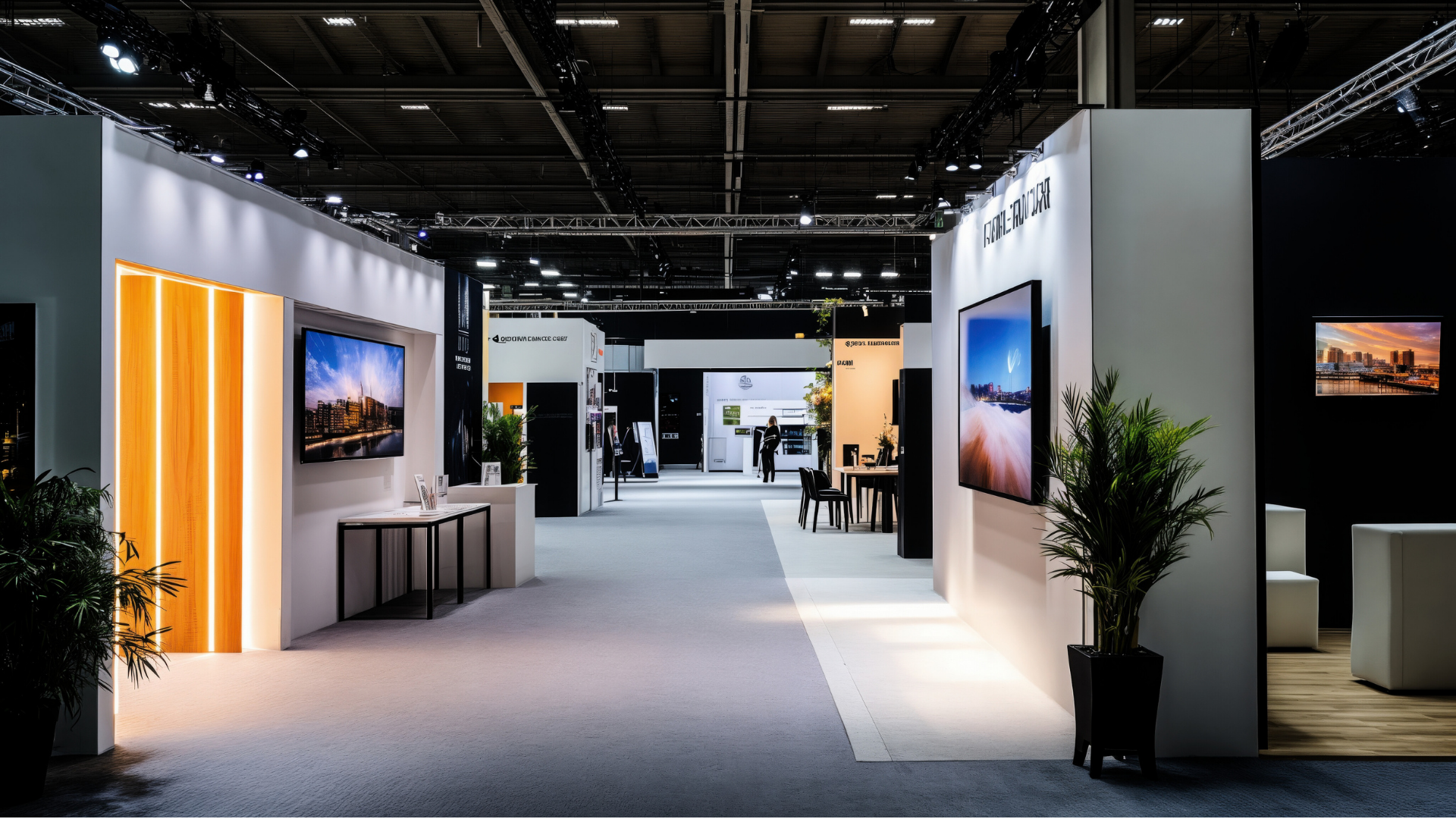
Delicate surfaces are one of the most critical challenges in event production, set construction, and exhibition environments. Floors that must look new after dismantling, walls that must not flake, decorative surfaces that must not be scratched, and rental materials that must be returned in the exact same condition. All of this places stringent demands on tape selection.
The wrong tape can cause unnecessary costs, delays, and, in the worst case, damage materials that need to be replaced. The right tape, however, creates security, saves time, and contributes to a professional experience for organizers, technicians, and clients alike.
At EventTape.se, we work daily to solve precisely these challenges. Here, you'll find a comprehensive guide to which tapes work best on delicate surfaces and how to avoid the most common pitfalls.
Why do delicate surfaces require specially adapted tape?
Tape is not just tape. Especially not in production environments where surfaces vary in structure, finish, age, and durability. Painted MDF behaves differently from lacquered parquet, and textile wall panels react completely differently from printed PVC.
Surfaces can be delicate in three ways:
Chemically delicate surfaces
Some materials react to strong adhesives. This often leads to:
-
discoloration
-
adhesive residue
-
plasticizer damage
Mechanically delicate surfaces
Materials that easily scratch, flake, or peel with too much pull:
-
painted walls
-
lacquered wood surfaces
-
decorative panels
Thermally delicate surfaces
Heat from lamps, cables, or sun affects adhesive strength. A tape that adheres sufficiently at first can become too strong after a few hours.
The right tape must therefore strike a balance between grip and safe removal – a combination EventTape specializes in.
Which tapes are best for delicate surfaces?
1. Low-tack gaffer tape – security for stages and exhibitions
Low-tack gaffer tape is developed precisely for delicate surfaces. It has a fabric backing for strength and an adhesive strong enough to hold cables and decor, but gentle enough to release cleanly.
Perfect for:
-
Parquet floors
-
Painted walls
-
Decor construction
-
Rental materials
-
Stage platforms and scenery surfaces
Advantages:
-
Matte surface with no reflection
-
Leaves minimal residue
-
Strong fabric structure but gentle adhesive
-
Tears by hand – quick setup and dismantle
EventTape offers several variants of low-tack gaffer tape adapted for different environments, tested in production to avoid damage regardless of surface.
2. Matte tape and stage tape – when the finish is important
Matte tape is a professional variant of gaffer tape created for stage, studio, and live production. It is used both visibly and concealed, and is safe on delicate materials.
Suitable for:
-
Stage floors
-
Camera-visible surfaces
-
Platforms and decor
-
Temporary mounting of light equipment
The great advantage of matte tape is its optical neutrality – no reflection and perfect for lighting design. Furthermore, the adhesive is designed to avoid damage.
3. Cable tape – adheres to floors without damaging them
Cable tape is one of the smartest choices for delicate surfaces because it is designed not to damage cable sheathing – which means it is also gentle on floors and subfloors.
Used for:
-
Cable routing along floors
-
Walkways where tape must withstand stress
-
Temporary installations on delicate platforms
Cable tape from EventTape has an adhesive profile that ensures the tape adheres securely but removes cleanly even after extended use.
4. Masking tape – super gentle and safe
Masking tape is often used in painting, but it is fantastic in event environments where surfaces are extremely delicate.
Perfect when:
-
Walls have recently been painted
-
Decorative surfaces risk paint peeling off
-
Materials are unusual or delicate (e.g., plexiglass, laminate, wallpaper)
Pro tip: The Double-layer method
The absolute gentlest way to tape delicate surfaces is to:
-
Apply a layer of masking tape
-
Place gaffer tape on top
This way, you get the strength of gaffer tape and the gentleness of masking tape.
5. Double-sided low-tack tape – when decor demands precision
When you need to mount lightweight decor, signs, or textile elements on delicate surfaces, double-sided tape with low tack is an excellent choice.
It is discreet and gentle – perfect for a clean finish.
Common pitfalls – and how to avoid them
Pitfall 1: Using duct tape on delicate surfaces
Duct tape is strong, but also ruthless. It leaves residue, can pull off paint, and risks damaging floors.
Never use it on delicate materials.
Pitfall 2: Not testing the tape before use
All surfaces behave differently.
A quick test in a hidden spot is free – repairing damage is not.
Pitfall 3: Leaving tape on for too long
Adhesive hardens over time. Even low-tack products can become too strong if left for several days.
For longer productions, tape should be replaced.
Pitfall 4: Using tape that is too thin
Thin tape increases the risk of needing to pull harder during removal. Wider tape distributes the force better and is often gentler.
Pro tips from EventTape – how to care for delicate surfaces
-
Choose low-tack tapes for walls, decor, and painted surfaces
-
Use matte tape or cable tape on floors
-
Always test the tape before full rigging
-
Replace tape for longer events
-
Double-tape for extra delicate materials
-
Avoid heat exposure near taped surfaces
EventTape always helps you choose the right tape. Our tapes are tested in real productions to withstand pressure, heat, time, and stress – without causing any damage.
EventTape – your partner behind the scenes
With EventTape, you get:
-
A wide range of tapes developed for delicate surfaces
-
Product quality that adheres strongly but releases cleanly
-
Fast deliveries directly to production
-
Competitive prices
-
Advice for the right product choice
We are your security when surfaces are expensive, demands are high, and time is short.
Tape that works. Tape that protects. Tape that gets the job done.
FAQ – Common questions about tape on delicate surfaces
1. Which tape is safest for painted walls?
Low-tack gaffer tape or masking tape. These minimize the risk of paint coming off.
2. How do I avoid adhesive residue?
Use tape with a balanced adhesive. EventTape's products are developed to adhere securely but release cleanly.
3. Can I tape cables to parquet floors?
Yes – use matte gaffer tape or cable tape. Avoid duct tape and aggressive industrial tapes.
4. What do I do if I have to tape on a freshly painted surface?
Use masking tape, but if possible, avoid taping at all. Fresh paint is extra delicate.
5. Which tape is best for thin decorative panels?
Double-sided low-tack tape or masking tape, depending on weight and material.
6. How do I test if a surface is delicate?
Test the tape in a hidden spot, let it sit for 15 minutes, and gently pull it off at a 45-degree angle.
Summary
The right tape for delicate surfaces is about safety, aesthetics, and efficiency. Low-tack gaffer tape, matte tape, cable tape, and masking tape are the most reliable choices in professional environments.
Working with delicate surfaces requires care – and the right materials.
With EventTape as your partner, you get tape solutions that protect surfaces, save time, and deliver results that both clients and production teams appreciate.
Share article:
Which tape should you use for delicate surfaces?
The difference between matte tape and stage mat – and when you need them