

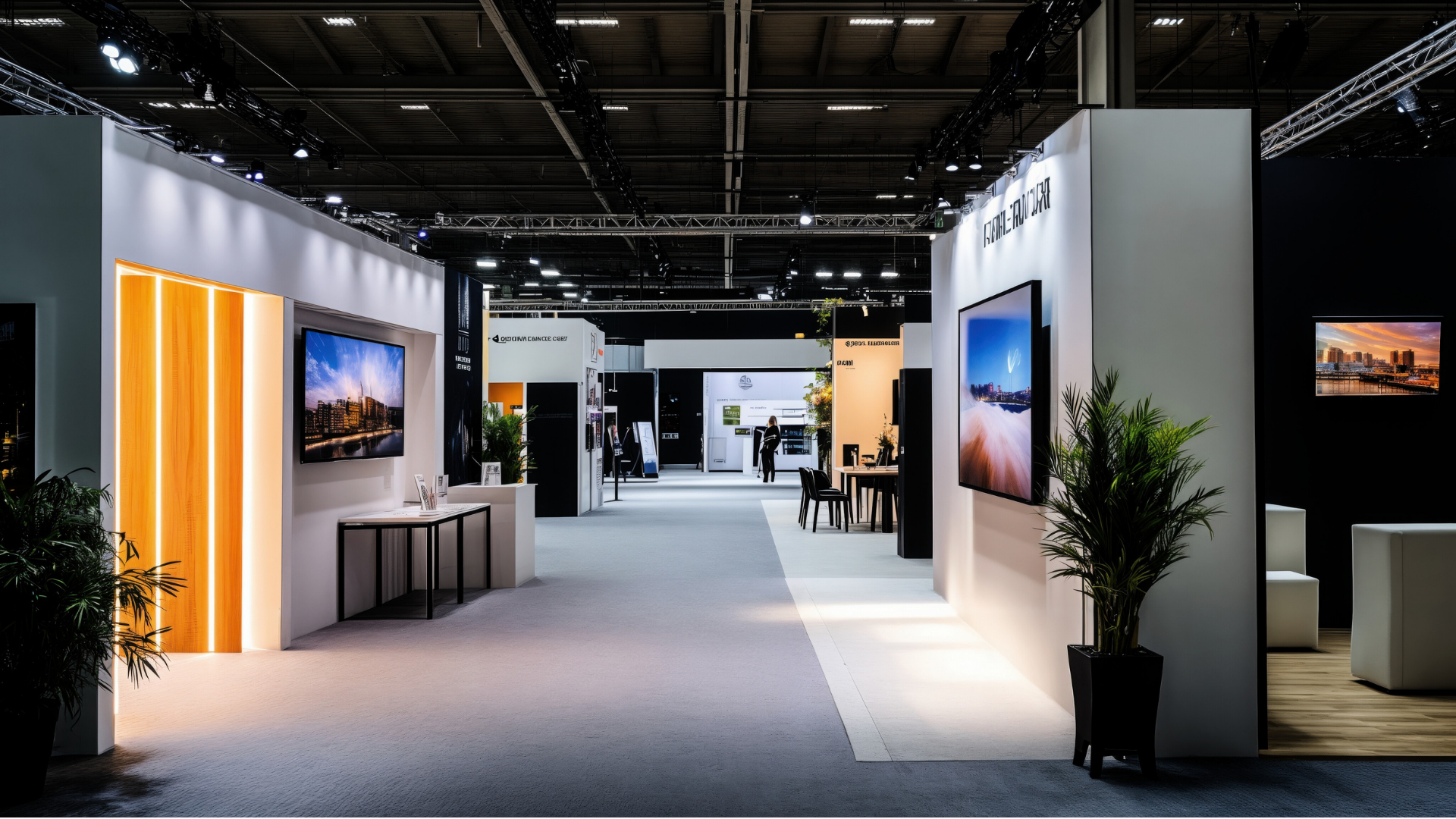
Sensitive surfaces are a constant challenge in event production, exhibition construction, and stage work. Floors that must be returned in perfect condition, rental items that cannot be scratched, painted walls that must not flake, and cables that must be secured without leaving the slightest trace – all of this requires precision.
The wrong tape can result in expensive damage, unnecessary extra work, and dissatisfied customers.
The right tape, on the other hand, creates security, order, and a professional end result.
At EventTape.se, we specialize in just that – tape that protects surfaces, performs under pressure, and releases cleanly. Here, we go through how to choose the right tape for sensitive surfaces, what pitfalls to avoid, and which professional solutions always deliver.
Why do sensitive surfaces require the right tape?
Event environments involve quick setups, heavy cables, high foot traffic, and constant change. Sensitive surfaces – such as lacquered floors, painted walls, decorative panels, stage platforms, or rental materials – react quickly to the wrong adhesive strength.
Using the wrong tape can lead to:
-
Residue and adhesive marks
-
Flaking paint or damaged lacquer
-
Discoloration of floors
-
Restoration costs
-
Delays during dismantling or relocation
The right tape, on the other hand, has a balanced adhesive strength that sticks as it should – but releases without drama.
EventTape specializes in tapes that manage this balance.
Which tapes are suitable for sensitive surfaces?
1. Gaffer tape with low-tack adhesive – gentle and effective
Gaffer tape is the gold standard for event production. For sensitive surfaces, choose a variant with low-tack or medium-tack adhesive.
Suitable for:
-
Taping on painted walls
-
Cable fixing on parquet floors
-
Temporary installations on decorative surfaces
-
Lighting and sound rigs where equipment must not be damaged
Advantages:
-
Matte surface that looks professional
-
Leaves minimal or no residue
-
Strong enough for cables, but gentle enough for surfaces
At EventTape, you'll find several quality levels that last throughout the event – without risking scratches or flaking upon removal.
2. Carpet tape and stage tape – optimized for finish
Carpet tape (a variant of gaffer tape) is developed for stage production where the surface must look clean, light-absorbing, and aesthetically correct.
Suitable for:
-
Platforms and stage ramps
-
Set construction
-
Surfaces visible on camera or in spotlights
Advantages:
-
Matte finish without reflections
-
Reliable release even after a longer period
-
Perfect for visible installations
EventTape offers matte tape specifically designed to work on painted surfaces without causing damage.
3. Cable tape – secure fixing, minimal wear
Cable tape is a smarter version of gaffer tape, optimized for cables in sensitive environments. The adhesive structure is designed so that cables are not damaged upon removal.
Suitable for:
-
Audio cables
-
DMX lines
-
Power cables along stages or floors
Advantages:
-
Sticks securely but releases cleanly
-
Does not damage cable sheaths
-
Ideal for high-traffic walkways
At EventTape, you'll find cable tape developed for both studios and larger stage productions.
4. Masking tape – for painted and super-sensitive surfaces
Masking tape has traditionally been a painter's favorite. It also works excellently on sensitive surfaces where even gaffer tape can be too strong.
Suitable for:
-
Freshly painted walls
-
Fragile decorative panels
-
Plexiglass, lacquered surfaces, and special materials
Advantages:
-
Very mild adhesion
-
Designed not to damage the substrate
-
Perfect as an underlayer for other tapes
A professional production solution is to first apply masking tape, and then attach other tape on top. This is called the double-layer technique, a smart trick that EventTape often recommends for extra sensitive installations.
5. Double-sided tape with low adhesion – when aesthetics are critical
Often used to attach light decor, PVC, textiles, or small objects.
Suitable for:
-
Temporary decor on walls or stands
-
Photo panels
-
Cover materials
Advantages:
-
Discrete
-
Sticks well without lifting paint
EventTape has different variants for both light decor and heavier applications, always with a focus on not damaging the surface.
Common pitfalls – and how to avoid them
1. "Over-taping" sensitive surfaces
More tape does not mean better adhesion. On the contrary, it creates more pulling force during removal and increases the risk of damage.
Solution: use the right adhesive strength, not the right amount.
2. Using duct tape on sensitive surfaces
Duct tape has strong adhesive and a plastic coating. It leaves residue and can damage lacquers.
Duct tape does not belong on stage or at an exhibition – period.
3. Not testing the tape before rigging
Every venue is different. A quick test in an inconspicuous spot can save thousands.
4. Leaving tape on for too long
Even low-tack products can experience increased adhesion over time.
Replace tape during longer productions to protect the surface.
Pro tips from EventTape – how to truly protect surfaces
-
For painted walls: use masking tape or low-tack gaffer tape.
-
For floors: choose matte gaffer tape or cable tape.
-
For lacquered surfaces: always test first.
-
For cable management: use tape with balanced adhesive strength and a matte finish.
-
For extra sensitive materials: use the double-layer method.
-
For quick setups: have several adhesive strengths in the team – then you can always adapt to the surface.
EventTape offers advice on tape selection and can recommend the right product for every surface – from tours to premium events and trade shows.
EventTape – your partner behind the scenes
Our range is developed for productions where precision matters.
We offer:
-
Low-tack and medium-tack tapes for sensitive surfaces
-
Cable tape, matte tape, and stage tape for professional installations
-
Fast deliveries directly to the production
-
Professional quality that releases cleanly and protects valuable surfaces
-
Competitive prices for both large and small events
When you choose EventTape, you avoid hassle, damage, and extra work. You get tape that works – every time.
FAQ – Frequently Asked Questions about Tape on Sensitive Surfaces
1. Which tape is safest for painted walls?
Low-tack gaffer tape or masking tape. These release without lifting paint.
2. How do I avoid adhesive residue?
Use professional tape with balanced adhesive. EventTape's products are designed for clean release.
3. Can I tape cables to parquet floors?
Yes – but use matte gaffer tape or cable tape, never duct tape.
4. What if the surface is extremely sensitive?
Use the double-layer method: first masking tape, then gaffer tape on top.
5. Does tape work on freshly painted surfaces?
Generally, you should avoid it – but masking tape is the gentlest option.
6. Which tape is best for decor installations?
Double-sided tape with low adhesion or masking tape depending on the material.
Summary
Choosing the right tape for sensitive surfaces is a matter of control and quality.
With professional tapes from EventTape, you can protect floors, walls, decor, and equipment – without compromising on safety or aesthetics.
You get a smoother setup, faster dismantling, and a result that satisfies both the client and the production team.
EventTape is your reliable partner behind the scenes – with tape that holds when everything has to work perfectly.
Share article:
The difference between gaffer tape, duct tape, and electrical tape
Which tape should you use for delicate surfaces?